

Key Takeaways
- Familiar activities like music, puzzles, and sensory projects can help seniors with dementia stay engaged and socially connected.
- Dementia-friendly activities should focus on comfort, participation, and routine rather than performance or memory testing.
- Outdoor activities such as gardening, bird watching, and patio gatherings can encourage relaxation and gentle movement.
- Activities often need to become simpler and more structured as dementia progresses through different stages.
- Early-stage dementia may support hobbies and social games, while later stages often benefit from sensory and comfort-focused activities.
Why Activities Matter for Seniors Living With Dementia
Watching a loved one experience memory loss can make everyday connections feel more difficult. Familiar routines may change, conversations may become shorter, and activities they once enjoyed may no longer hold the same attention. Still, meaningful activities can continue to support comfort, engagement, and social connection throughout every stage of dementia.
Games and activities for seniors with dementia are not about testing memory or encouraging performance. The goal is to create familiar, low-pressure experiences that encourage participation and interaction. From music and simple puzzles to outdoor activities and structured memory care programming, the right activities can help support daily routine and emotional well-being.
Indoor Activities That Encourage Engagement
Many seniors living with dementia respond best to activities that feel familiar and easy to follow. Simple indoor activities can encourage participation while supporting routine and social connection.
Music and Familiar Songs
Music can encourage connection even when communication becomes more difficult. Familiar songs may inspire singing, clapping, gentle movement, or conversation while helping create a calmer atmosphere. Many families find that playing favorite music during visits or meals encourages engagement without making the activity feel stressful or complicated.
Simple Games and Puzzles
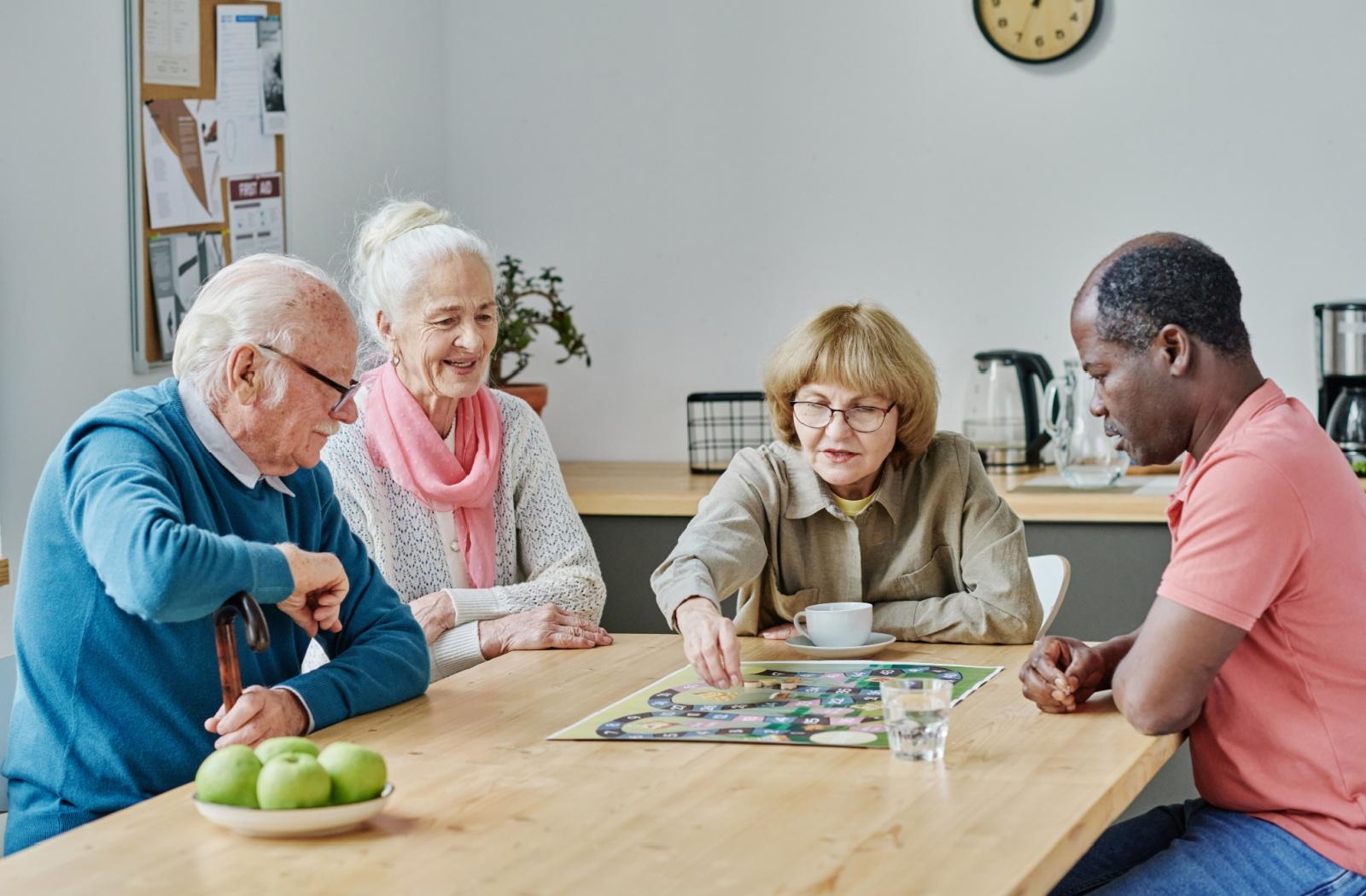
Simple games and puzzles can help seniors stay engaged while keeping activities relaxed and approachable. Matching games, large-piece puzzles, and simplified card games often work well because they feel familiar without becoming overwhelming. The focus should remain on participation and enjoyment rather than completing the activity perfectly.
Hands-On and Sensory Activities
Hands-on activities can provide comfort through familiar textures, scents, and movements. Folding towels, arranging flowers, baking, or working with soft fabrics can encourage engagement without requiring complicated instructions. Sensory activities like painting, simple crafts, or familiar scents may also help create calmer moments throughout the day.
Outdoor Activities for Spring and Summer
Outdoor activities can provide a calm change of environment while encouraging fresh air and gentle movement. During warmer months, even simple outdoor experiences can help seniors stay engaged and comfortable.
Nature Walks and Bird Watching
Short walks and bird watching activities can help seniors stay connected to their surroundings without placing pressure on memory or conversation. Listening to outdoor sounds, noticing flowers, or watching birds at a feeder may encourage interaction in a calm and natural way. Quiet outdoor settings are often less overwhelming than busy indoor spaces.
Gardening and Outdoor Relaxation
Gardening activities allow seniors to stay involved with familiar seasonal routines in a simple and approachable way. Watering flowers, touching herbs, or helping with raised garden beds can encourage sensory engagement and light activity. Sitting outdoors on a patio or in a shaded courtyard can also provide a relaxing break from indoor routines.
Gentle Outdoor Social Activities
Outdoor music sessions, patio gatherings, and picnic-style meals can encourage social interaction in a more comfortable environment. Smaller outdoor activities often feel calmer and easier to navigate than large indoor gatherings. Comfortable seating, shaded spaces, and quiet surroundings can help seniors participate more confidently.

How Activities Change Through the Stages of Dementia
As dementia progresses, activities often need to become simpler and more structured. Adjusting activities based on a person’s comfort level can help encourage continued participation without creating frustration.
Early-Stage Dementia
Seniors in the early stages of dementia may still enjoy hobbies, games, reading, and social activities with minimal support. Familiar routines and activities often remain important during this stage because they encourage independence and confidence. Activities that feel recognizable usually create the most comfortable experience.
Middle-Stage Dementia
During the middle stages of dementia, activities generally work better when instructions are simplified and tasks are broken into smaller steps. Repetition, shorter activities, and visual guidance may help improve participation while reducing frustration. Many seniors at this stage respond well to music, sensory activities, and one-on-one interaction.
Later-Stage Dementia
In the later stages of dementia, activities often focus more on comfort and sensory engagement than active participation. Familiar music, soft fabrics, gentle touch, and quiet companionship can still help create meaningful moments of connection. Even when communication becomes more limited, emotional familiarity and calm environments remain important.
How Memory Care Communities Support Daily Engagement
For many families, planning meaningful activities eventually becomes harder to manage alone. Memory care communities help provide structure, consistency, and professional support while adapting activities to each resident’s comfort level and abilities.
Daily programming in memory care communities often includes:
- Structured routines that create familiarity throughout the day
- Activities adapted to different cognitive abilities
- Social opportunities in calm, supportive settings
- Secure outdoor spaces for safe fresh-air activities
- Team members trained in dementia engagement techniques
- Personalized activities based on a resident’s interests and life history
At Somerby Mobile, memory care programming focuses on helping residents stay engaged in ways that feel supportive, familiar, and appropriate for their individual needs.
Finding Meaningful Ways to Stay Connected
Meaningful activities can continue to support connection and comfort throughout every stage of dementia. Familiar games, music, sensory experiences, and outdoor activities all provide opportunities for engagement while helping families spend quality time together. In many cases, the simplest activities are the most effective because they encourage participation without creating pressure or frustration.
At Somerby Mobile, our memory care lifestyle includes structured daily programming designed to support routine, comfort, and social connection in a supportive community setting. We work closely with residents and families to create meaningful experiences that reflect each person’s interests and abilities. Schedule a tour at Somerby Mobile today to learn more about our memory care lifestyle and daily programming.